I check my phone about 30 times a day for tech news.
Most of it is garbage. Clickbait headlines, recycled press releases, and articles that say nothing in 800 words.
You’re drowning in notifications and still missing the stories that actually matter. I’ve been there.
Here’s what I figured out: the app you use changes everything. The right one filters out the noise. The wrong one makes it worse.
I tested dozens of news apps over the past few months. I’m talking real testing, not just downloading and scrolling once. I used each one as my primary news source for at least a week.
This article shows you which news app is the best for different types of readers. Whether you’re a developer who needs deep technical coverage or someone who just wants to know what’s happening without the jargon.
I looked at source quality, how easy each app is to use, and whether you can actually customize your feed (most can’t, not really).
You’ll get specific recommendations based on how you consume news. Not a generic list. Actual guidance on which app fits your needs.
No fluff about staying informed in the digital age. Just the apps that work and why they’re better than the rest.
How We Evaluated the Best Tech News Apps
You’ve probably downloaded a dozen news apps already.
And deleted most of them within a week.
I did the same thing. Some were cluttered messes. Others pushed clickbait disguised as tech coverage. A few looked great but fed me nothing but press releases.
Here’s what most review sites won’t tell you.
They rank apps based on popularity or whoever paid for placement. They don’t actually use these things day in and day out like you would.
I tested each app for weeks. I read my morning news through them. I checked breaking stories. I saved articles I actually wanted to finish later (most of which I never did, but that’s on me).
When figuring out which news app is the best otvptech, I wasn’t looking for perfect. I was looking for what actually works.
Here’s what mattered:
1. Source Quality & Curation
Does the app pull from real journalists or just scrape content farms? Can you pick your own sources or are you stuck with whatever algorithm they’re pushing?
Some apps claim they’re curated but really just show you whatever gets clicks.
2. User Interface & Experience
If I have to tap four times to read an article, I’m out. The app needs to feel natural. Dark mode is non-negotiable (because who reads tech news with the lights on at 6 AM?).
3. Customization & Personalization
Maybe you care about AI developments. Maybe you just want cybersecurity updates. Either way, the app should let you build your own feed without fighting you on it.
4. Features & Functionality
Offline reading saved me during a flight delay last month. Podcast integration means I can switch between reading and listening. And the save-for-later function? I use it more than I thought I would.
That’s it. No complicated scoring system. Just what actually matters when you’re trying to stay informed without losing your mind.
For the Industry Insider: TechCrunch
I remember the first time I caught a major funding announcement before anyone else in my network.
It was 2019. I was scrolling through TechCrunch during my morning coffee and saw that a startup I’d been watching just closed a Series B. By the time my colleagues heard about it three days later through their usual channels, I’d already adjusted my thinking on the sector.
That’s when I realized something. If you want to stay ahead in tech, you need sources that don’t wait for press releases.
Best For: Entrepreneurs, venture capitalists, and anyone who needs to be on the pulse of the startup ecosystem.
Now, some people say TechCrunch is too focused on Silicon Valley hype. That it covers every funding round like it’s the next big thing when most startups will fail anyway.
Fair point.
But here’s what they’re missing. You’re not reading TechCrunch to find guaranteed winners. You’re reading it to understand where capital is moving and why. That context matters whether you’re building a company or just trying to make sense of the tech world.
Core Strengths: The coverage of funding rounds and acquisitions is unmatched. When a deal closes, TechCrunch usually has it first. The deep-dive articles give you the story behind the numbers, not just the headline figures.
I’ve tested this against other sources. TechCrunch consistently breaks news hours or even days before it shows up elsewhere.
User Experience: The app doesn’t try to be fancy. It’s built for people who want information fast. You open it, you see the latest stories, you read what matters. No complicated menus or features you’ll never use.
(Which is exactly what you want when you’re checking updates between meetings.)
Why It’s Reliable: TechCrunch has been covering startups since 2005. Their journalists have real relationships in the industry. They verify their sources before publishing, which matters when you’re making decisions based on what you read.
When I’m trying to figure out which news app is the best otvptech, I always come back to this. TechCrunch does one thing really well. It tells you what’s happening in the startup world before almost anyone else does.
That’s worth a lot if you work in this space.
For the Power User Who Craves Control: Feedly
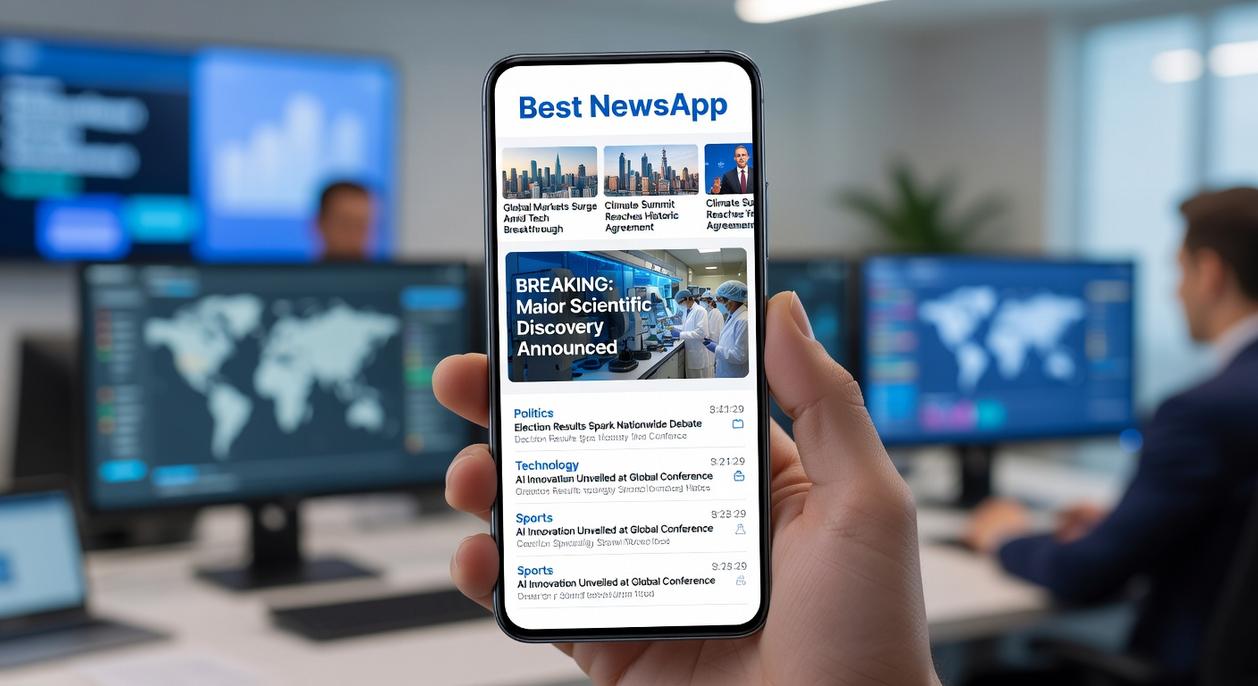
Best For: Users who want to create a completely personalized news dashboard from thousands of sources.
Core Strengths: Feedly is an RSS aggregator on steroids. You can follow specific tech blogs, major news publications, YouTube channels, and more, all in one place. Its AI assistant, Leo, helps prioritize topics you care about.
User Experience: Highly customizable but comes with a slight learning curve. Once you set it up though, it’s the most efficient way to process a high volume of information without drowning in irrelevant updates.
Here’s what most reviews won’t tell you.
Feedly lets you create boards for different projects. I use one for AI developments, another for cybersecurity threats, and a third for startup funding news. (You can’t do this with Apple News or Google News.)
You can also set up keyword alerts that trigger when specific terms appear across your feeds. So if you’re tracking a particular company or technology, you’ll catch it even from smaller publications.
Why It’s Reliable: Its reliability comes from you. You choose the sources, which means you only see content from publications you already trust. It’s the ultimate tool for cutting out the noise.
The free version gets you started. But the Pro version ($6/month) unlocks Leo and advanced search features that make a real difference if you’re serious about staying informed.
Want to know what is tech business news otvptech covers? Feedly lets you follow exactly those sources that matter to your work.
Pro tip: Use Feedly’s mute filters to block content with specific keywords. I mute “rumor” and “speculation” to keep my feeds fact-focused.
For the Visual Learner & Casual Reader: Flipboard
You know those mornings when you just want to scroll through the news without feeling overwhelmed?
That’s where Flipboard shines.
Best For: Someone who enjoys a visually appealing, magazine-style layout and discovering new topics.
Here’s what you get with Flipboard. Instead of boring text feeds, you’re flipping through a digital magazine that actually looks good. It takes articles and blog posts and turns them into something you’d want to read on a Sunday morning with coffee.
The interface does the heavy work for you. You pick your interests and the algorithm surfaces stories you’ll probably care about. No endless scrolling through junk.
What makes it worth your time:
- Beautiful presentation that makes reading feel less like work
- Smart content discovery that learns what you like
- Thousands of trusted publishers in one place
- Easy to browse when you’re curious about what new tech is coming out otvptech
The UI is genuinely relaxing. You’re not fighting with clunky menus or confusing layouts. You just flip and read.
Some people argue that pretty interfaces distract from the content itself. That substance matters more than style. Fair point.
But here’s the reality. If an app is painful to use, you won’t use it. And if you don’t use it, you don’t stay informed.
Flipboard partners with established publishers, so you’re not sacrificing quality for looks. You get both. You can follow the names you trust while discovering new sources that actually deliver.
When people ask which news app is the best otvptech, I tell them it depends on how you read. If you’re visual and you like exploring, Flipboard gives you that magazine experience without the paper cuts.
The Right App for Your Tech Needs
I’ve shown you three apps that actually work.
Each one serves a different purpose. TechCrunch if you’re an industry insider. Feedly if you’re a power user who wants control. Flipboard if you think visually and want something beautiful.
You don’t need to waste time anymore sifting through garbage articles. That problem is solved.
Here’s why this works: When you pick an app that matches how you read and what you need, staying informed becomes easy. You’ll actually want to check it instead of dreading another pile of irrelevant headlines.
OTVP Tech has tested all three extensively. They each deliver quality in their own way.
Your next step is simple. Pick the one that sounds most like you and download it today. Spend 15 minutes setting it up and customizing your interests.
You’ll see the difference immediately. Better articles. More relevant news. Less time wasted.
Stop scrolling through junk and start reading what matters.