
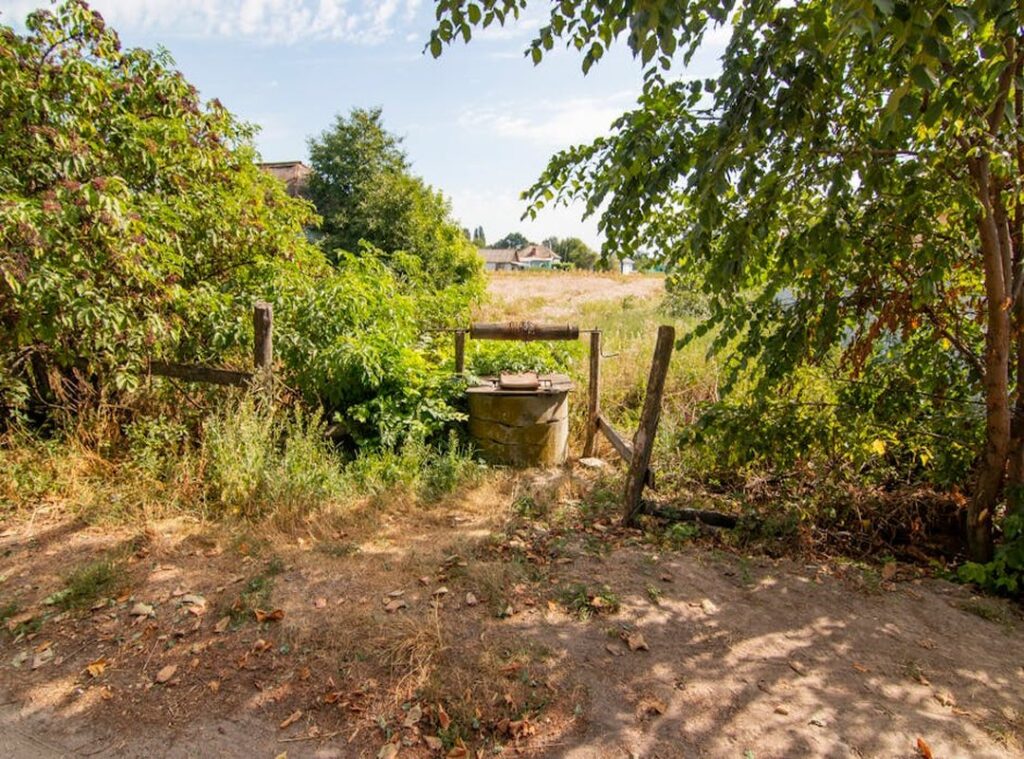
I watered my garden with well water for twelve years before I figured out half of what’s in this article.
You’re probably standing in your yard right now, hose in hand, wondering: Is this water safe for my tomatoes? Or worse (did) I just kill my basil again?
Most well owners don’t know their water’s pH, sodium, or iron levels. They just hope it works.
It often doesn’t.
Plants show stress before you do. Yellow leaves. Stunted growth.
Crusty soil. You blame yourself. But the real issue is usually the water (not) your gardening skills.
This isn’t theory. I’ve tested dozens of wells, adjusted drip lines, flushed irrigation systems, and watched gardens thrive (or fail) based on simple water decisions.
No jargon. No guessing. Just what you need to know about your Private Well Appcgarden.
You’ll learn how to check if your water suits your plants (not) just whether it’s safe to drink.
You’ll stop wasting water every time you turn on the spigot.
And you’ll stop second-guessing whether that wilting zucchini is your fault or the well’s.
By the end, you’ll water with confidence. Not confusion.
You’ll know when to flush, when to mulch deeper, and when to skip watering entirely.
This works because it’s been tested. Not in a lab. In dirt.
In heat. In drought.
You’ll walk outside tomorrow and make a better call.
What’s Really in Your Well Water?
I test my well water every spring. Not because I love paperwork. But because my tomatoes turned yellow last summer and I needed answers.
You think all well water is the same? It’s not. One neighbor’s water grows lush basil.
Another’s leaves white crust on plant leaves. You’re already wondering what’s in your water.
Start with a test. Not a guess. pH, hardness, iron, sulfur. Those are the big four for plants.
Skip the fancy panels. Get those.
pH matters. Acidic water (below 6.5) locks up phosphorus. Alkaline water (above 7.5) hides iron.
Plants starve even when you feed them right.
Hard water builds up salts in soil over time. Iron stains leaves. Sulfur smells like rotten eggs (and) stunts growth.
You’ve seen that white film on your pots. That’s not cute. That’s calcium buildup.
Go local: county health department, ag extension office, or a private lab. Some labs charge $30. Others $120.
Don’t pay more than $50 for basic plant-relevant results.
The Appcgarden tool helps you read those lab reports without needing a chemistry degree. I used it after my first confusing test (and) finally understood why my peppers choked.
Private Well Appcgarden isn’t magic. It’s just clear. Like your water should be.
Water Your Garden Like You Own the Well
I water my garden at 5 a.m. You probably don’t. But you should.
Deep watering once or twice a week beats sprinkling every day. Plants grow roots down when they have to reach for moisture. Shallow watering keeps roots near the surface (weak) and thirsty.
Early morning is best. Less evaporation. Less leaf wetness.
Less fungus. (Yes, wet leaves really do invite mold. Especially in humid spots.)
Soaker hoses beat sprinklers every time. They drip slowly right where roots live. No misting the air.
No soaking the sidewalk.
I stopped using my overhead sprinkler last summer. My tomatoes got twice the fruit. My water bill dropped.
Overwatering with well water is dangerous. It flushes nutrients from the soil (and) some wells carry extra iron or sodium. Too much water means those minerals build up or wash away unpredictably.
My neighbor’s lawn still looks like a drowned sponge.
Check your soil before you turn on the hose. Stick your finger in. If it’s damp two inches down.
Skip it. If it’s dust (go) ahead.
Private Well Appcgarden helped me map my well’s flow rate and mineral report.
Now I know how much water my plants actually need. Not what the calendar says.
Water less. Dig deeper. Watch what grows.
Real Well Water Problems, Real Garden Fixes

My well water turned my tomato leaves yellow last summer. I tested it. Turned out the pH was 8.2.
If your water is too alkaline:
1. Mix peat moss into garden beds before planting
2. Sprinkle elemental sulfur around acid-loving plants like blueberries or azaleas
3.
Or just grow things that don’t care (lavender,) lilac, clematis
Iron in well water stains my hose bib black. It doesn’t hurt my kale. Or my carrots.
Or anything, really. Let water sit in a bucket for 24 hours if you can. Iron settles.
Use the top layer. Or run a cheap aerator on your spigot. (It works.
I tried it.)
Hard water builds up salt in soil over time. You’ll see white crust on pots. Plants get thirsty but won’t drink.
Add compost every spring. It buffers the minerals. For seedlings and ferns?
Use rainwater when possible.
Chlorine isn’t usually in private wells. But other stuff might be. Arsenic.
Nitrates. Bacteria. You won’t taste it.
You won’t smell it. That’s why testing isn’t optional. It’s step one.
Not sure what to test for or how to read the results? This guide walks you through it. No jargon, no fluff. learn more
Private Well Appcgarden means knowing your water before you plant your first seed.
Pick Plants That Won’t Quit on Your Well Water
I’ve killed more than one lavender bush because I ignored my well’s iron content.
You probably have too.
Well water isn’t tap water. It’s got minerals. pH swings. Sometimes chalky hardness or salty bitterness.
And your plants feel it (fast.)
Drought-tolerant plants aren’t just for dry yards. They’re smart for well owners who don’t want to pump all day. Sedum.
Lavender. Russian sage. They drink less and shrug off alkaline soil.
But don’t guess at pH. Test it. Your soil test kit is cheap.
Your well report? Free from the lab that tested your water. Match those numbers before you plant anything.
Some plants love high iron. Others turn yellow and drop leaves. If your well runs high in sodium or manganese, skip tomatoes and snapdragons.
Try yarrow or coreopsis instead.
Start small. One raised bed. Three pots.
Watch how they react over six weeks. You’ll learn more from that than any gardening blog.
This isn’t about perfection. It’s about working with what you’ve got (not) fighting it. Why waste water on plants that beg for rainforest conditions?
I skip the fancy hybrids. Stick with native or adapted perennials. They survive.
They spread. They don’t need babysitting. You get real results.
Not pretty failures.
For more backyard-tested tips, check out the Backyard Tips Appcgarden.
It’s where I go when my well throws me a curveball.
Your Well Can Grow Real Plants
I’ve done it. My well waters tomatoes, lavender, and even thirsty zinnias (no) city hookup needed.
You just need to know what’s in your water. Test it first. Not later.
This season.
Because hard water or high sodium can wreck soil over time.
And you don’t want to pour money into plants that sulk and yellow.
Smart watering matters too. Water deep. Water slow.
Water early. Skip the sprinkler spray that vanishes before it soaks in.
Pick plants that match your climate and your well’s limits. Native perennials. Drought-tolerant shrubs.
Tough annuals. Not everything needs daily drinks.
This isn’t about perfection.
It’s about working with what you’ve got. And keeping your well strong for years.
You wanted a garden that thrives without guilt or guesswork.
Private Well Appcgarden helps you get there.
So stop waiting for “someday.”
Grab a test kit. Call your local lab. Get your water checked.
This week.