
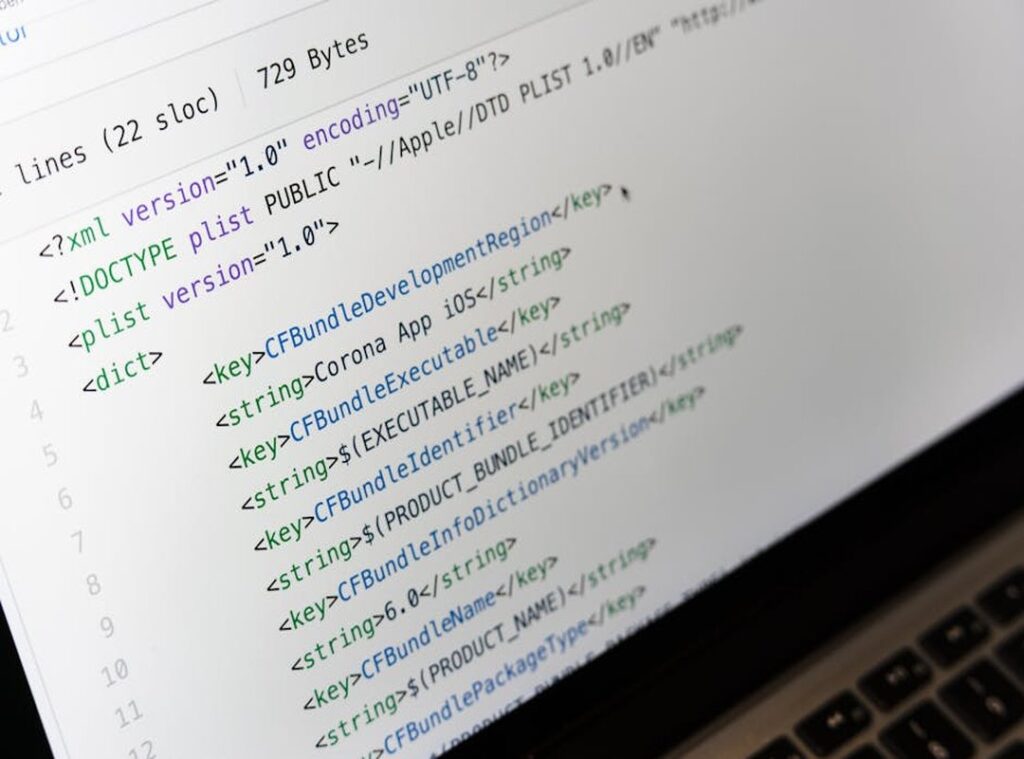
I used to stare at code and feel like it was written in another language.
Which, honestly. It kind of is.
But here’s the thing: you don’t need to be a coder to understand what Software Codes Unitemforce actually means.
You’ve probably heard the term and wondered (what) even is software code? Is it magic? A secret club?
Just lines of gibberish that somehow make apps run?
It’s not. It’s instructions. Plain ones.
Like a recipe. But for computers.
And Unitemforce? It’s built from those instructions. Not by wizards.
Not by aliens. By people who wrote clear, logical steps so the software does what it’s supposed to do.
Most guides overcomplicate this. They drown you in jargon or act like you need a computer science degree. You don’t.
This article cuts through that noise. No fluff. No fake hype.
Just straight talk about how code works. And how it powers tools like Unitemforce.
You’ll walk away knowing what “software codes” really are.
You’ll see how they connect to Unitemforce. Not as abstract concepts, but as real, working parts.
And you’ll finally get why understanding this matters. Because when you know what’s under the hood, the tool stops feeling like a black box. It starts feeling like something you can trust.
Something you can use. Well.
What Software Codes Actually Are
Software codes are instructions.
Plain and simple.
I write them. You use what they build. They tell computers what to do.
Nothing more, nothing less.
Or a blueprint. A builder reads lines and dimensions to raise a wall. A browser reads code to load this page.
Think of code like a recipe. A chef follows steps to bake a cake. A computer follows code to show your email.
These instructions live in languages like Python or JavaScript. Not English. Not Spanish.
Languages built for machines first, humans second.
That’s why “Software Codes Unitemforce” isn’t just jargon. It’s the real thing powering tools like Unitemforce.
Code says: show this picture. Or: add these numbers. Or: save this file before the power cuts out.
No magic. No mystery. Just logic, line by line.
You don’t need to read it to rely on it. But knowing it’s there. And that it’s precise.
Changes how you see every app you open.
Some code runs in seconds. Some runs for years without stopping. (That’s why updates exist.)
It’s not poetry.
It’s purpose.
And if it breaks?
Everything stops.
You’ve felt that.
Haven’t you?
Unitemforce Is Just Code
Unitemforce is a tool. Not magic. Not AI whispering in your ear.
It’s software (plain) and simple.
I’ve watched people stare at it like it’s alive. It’s not. It runs because of Software Codes Unitemforce.
Lines of instructions, written by people, tested, broken, fixed, rewritten.
You click a button. You type a name. You drag a task into “Done.”
None of that happens by accident.
Each action triggers code that says: do this, then that, then check this.
Say Unitemforce helps you manage tasks. Its code knows how to create one. How to mark it complete.
How to pull up only the ones due today. No guesswork. No intuition.
Just logic. Step by step.
If you delete the code? Unitemforce vanishes. No interface.
No data. No “cloud.” Just silence. That’s how fragile it is.
(And how honest.)
People act like software is some autonomous thing. It’s not. It’s what we tell it to do (nothing) more, nothing less.
You think it’s smart? It’s just fast at following orders.
So when something breaks (and) it will. Don’t blame the tool. Blame the code behind it.
Because that’s all there is.
Code Is Not Magic. It’s Just Instructions.
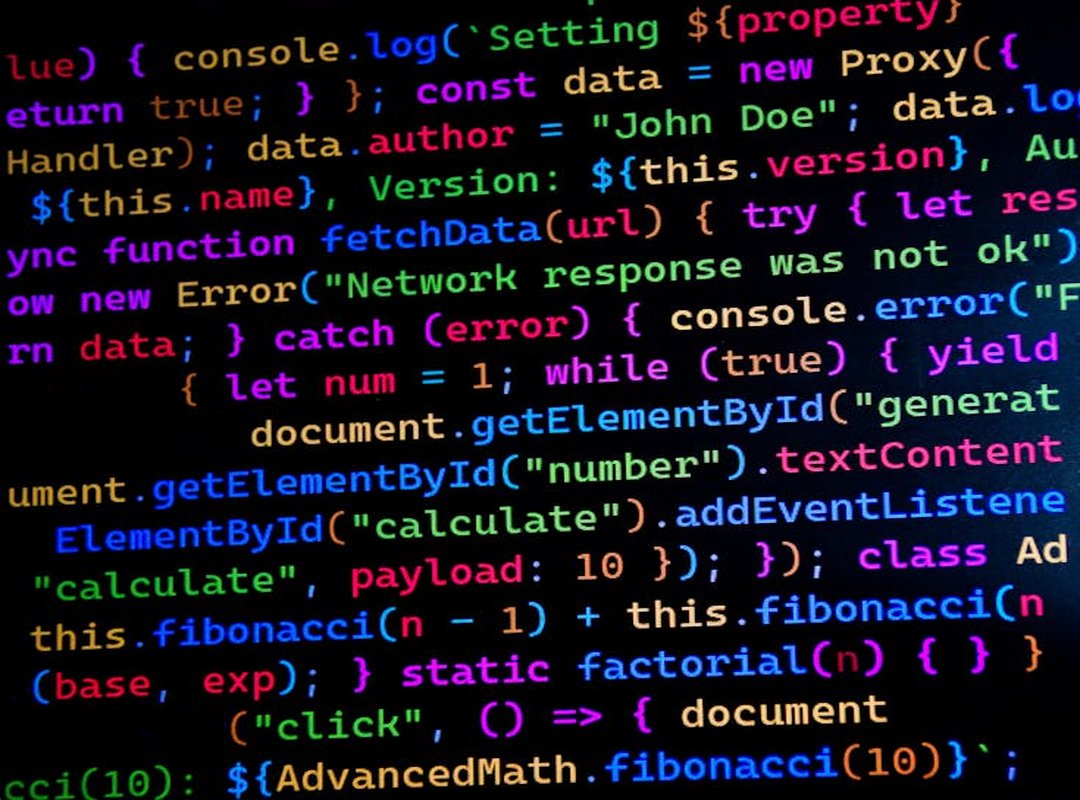
I click a button. You click a button. Nothing happens unless code tells it to.
That button? It’s not decoration. It’s a trigger.
Code runs the second you press it.
You type a name into the search bar. Code scans every saved item (fast,) quiet, exact.
It finds what you need. Or it doesn’t. And when it doesn’t?
That’s where real work begins.
Code saves your data. Code pulls it back later. Code keeps it sorted so nothing vanishes.
No fluff. No guessing. Just logic doing its job.
You think it’s smooth because it feels smooth. But smooth takes effort. Lots of testing.
Lots of fixing.
Ever see an error? Yeah. Those pop up when code hits something unexpected.
Like when your internet drops mid-save.
That’s why I check the Error Codes Unitemforce list first. Not because I love reading error logs. But because it tells me exactly what broke and why.
Code doesn’t care about your deadline. It only cares about syntax, logic, and whether your server is awake.
If Unitemforce feels reliable? That’s not luck. It’s code written, reviewed, broken, fixed, and tested again.
You don’t need to understand every line. But you should know: every feature lives or dies by those lines.
No drama. No mystery. Just instructions.
Clear, direct, and constantly tuned.
And if one breaks? Someone fixes it. Fast.
Why “Software Codes Unitemforce” Isn’t Just for Coders
You don’t need to write code to get it.
I didn’t either (and) I still fixed things.
Understanding how software works helps you stop blaming yourself when something breaks. It’s not magic. It’s logic.
And logic has rules.
When Unitemforce acts up, it’s usually because a line of code missed something. Or two features clashed. That’s a bug.
Not a curse. (And yes, even big teams ship bugs.)
New features? Someone wrote new instructions. Old ones got tweaked.
Or deleted. Or ignored until they broke.
This isn’t about turning you into a developer. It’s about knowing the system isn’t random. There’s cause and effect.
If your login fails, you can say “It worked yesterday, but now the button does nothing after I type my password” (instead) of just clicking harder. That kind of detail? That’s gold for support.
You start trusting the tool more. Not because it’s perfect, but because you see how it’s built.
And that makes everything less scary.
You’re not supposed to memorize syntax.
You are supposed to know that software follows patterns (and) patterns can be read.
Still wondering where to start with Unitemforce?
Whrer Can I Get Unitemforce
You Get It Now
I remember staring at Software Codes Unitemforce the first time and feeling lost. That confusion? Gone.
You know now that software codes are just instructions. Plain ones. Written by people.
Running on machines. Unitemforce works because someone wrote those lines. And kept writing them.
That’s not magic. It’s work. And it’s why your tools do what they do.
You use software all day. Email. Spreadsheets.
Even your phone’s clock. All of it runs on code (just) like Unitemforce.
So next time something feels clunky or slow, don’t just shrug. Ask: What instruction is missing? What’s getting in the way?
That question changes everything.
You came here because you wanted control. Not mystery.
You wanted to stop guessing and start understanding.
Good.
You’ve got that now.
Go open Unitemforce. Click around (not) as a user, but as someone who knows what’s underneath. Look for where the instructions live.
Where they break. Where they shine.
Try it for five minutes.
Then tell me what you noticed.
You’re ready.