Creating can feel overwhelming, right? You want to make something amazing, but you’re stuck because you think you lack the right resources.
This article is here to change that. I’m going to demystify designer tools and show you how they can work for you.
I regularly dive into practical tech solutions that connect with real-world needs. You can trust that the takeaways here come from actual experience, not just theory.
You’re probably curious about what creative tools are out there and which ones can genuinely raise your projects. I get it.
Creative tools can transform your ideas into something tangible and make the whole process fun and fast.
By the end, you’ll have clarity on how to choose the right tools to open up your full potential and boost your creative journey. Let’s get started.
Creative Tools: Why They Matter
What are creative tools, anyway? They’re both software and hardware designed to boost artistic pursuits. Think Photoshop for visuals, or a digital audio workstation for music.
These tools are all about overcoming limitations and improving quality. They simplify workflows, allowing us to focus on the fun stuff. Creating.
Let’s talk evolution. We’ve moved from pencils and paint to solid digital platforms. This shift has democratized creativity.
Now, anyone with a computer can produce professional-grade content. Isn’t that amazing? It’s not just for the pros anymore.
Why do they matter? Simple. They make our lives easier.
Efficiency skyrockets. You can collaborate across continents, experiment without wasting materials, and achieve results that were once out of reach for amateurs. It’s like having a studio in your backpack.
Look at different fields: photo editing for stunning visuals, word processors for writing brilliance, DAWs for music magic. Each tool opens new possibilities. And honestly, who doesn’t want to explore those?
So, here’s the future. We’ll see even more integration and accessibility. Designer tools will keep evolving, pushing the boundaries of what we can create.
Ready to dive in? Because these tools are here to stay, shaping our creative world one click at a time.
Important Designer Tools for Visual Storytellers
Being a visual storyteller is all about the tools you use. Let’s start with the essentials. Adobe Photoshop is the king of raster graphics, perfect for photo editing and digital painting.
But let’s not forget GIMP or Photopea, which are great and free alternatives. For vector graphics, Adobe Illustrator is a staple, but Inkscape and Affinity Designer offer solid competition. They’re ideal for logos and flexible designs.
When it comes to video editing, Adobe Premiere Pro is my go-to for professional projects. DaVinci Resolve has a cult following too (and for good reason). If you’re just starting out, CapCut or iMovie keep things simple but effective.
What about key features? Layer management and non-destructive editing are must-haves. You need special effects and color correction to keep your work looking sharp.
And export options? They make or break your final product.
Don’t overlook 3D modeling. Blender is the open-source powerhouse here, bringing depth and realism to visuals. SketchUp is also worth mentioning for user-friendly design.
Ever found yourself pondering cloud storage solutions compared? It’s another piece of the puzzle for designers managing massive files.
In storytelling, the right tools can transform your work from good to unforgettable. Which tool will you dive into next?
Creative Tools for Writers, Musicians, and Podcasters
Let’s talk about designer tools. I’m not a fan of sticking to just one type of tool; it limits creativity. Sure, word processors are fine, but have you tried Scrivener?
It’s amazing for long-form writing. Notion helps me keep everything organized (because,) let’s face it, I can’t remember anything without it. And when it comes to refining my writing, Grammarly is a lifesaver.
These tools address the common writing woes: structure, clarity, and style.
Now, switch gears. Music production isn’t just for pros anymore. With Digital Audio Workstations (DAWs) like Ableton Live or Logic Pro, anyone can create music that sounds professional.
Even free options like GarageBand or Audacity offer recording, mixing, and mastering capabilities. Ever tried MIDI sequencing? It’s like magic (but) real.
These tools put music creation within reach for everyone.
For podcasters, the game changes with platforms like Audacity or Adobe Audition. They make editing a breeze. And if you’re into remote recording, Riverside.fm has you covered.
Clear audio is key, right? These tools make it happen.
And while we’re at it, check out jiiidpmjdakhbgkbdchmhmnfbdebfnhp. It’s another tool that could spice up your creative projects. Why not explore all these options?
They’re out there, waiting for you to unleash your creativity.
Beyond Software: Hardware and Analog Tools
When it comes to designer tools, software gets all the glory. But let’s not forget the hardware that makes digital art and design come alive. Drawing tablets like Wacom and Huion are game-changers.
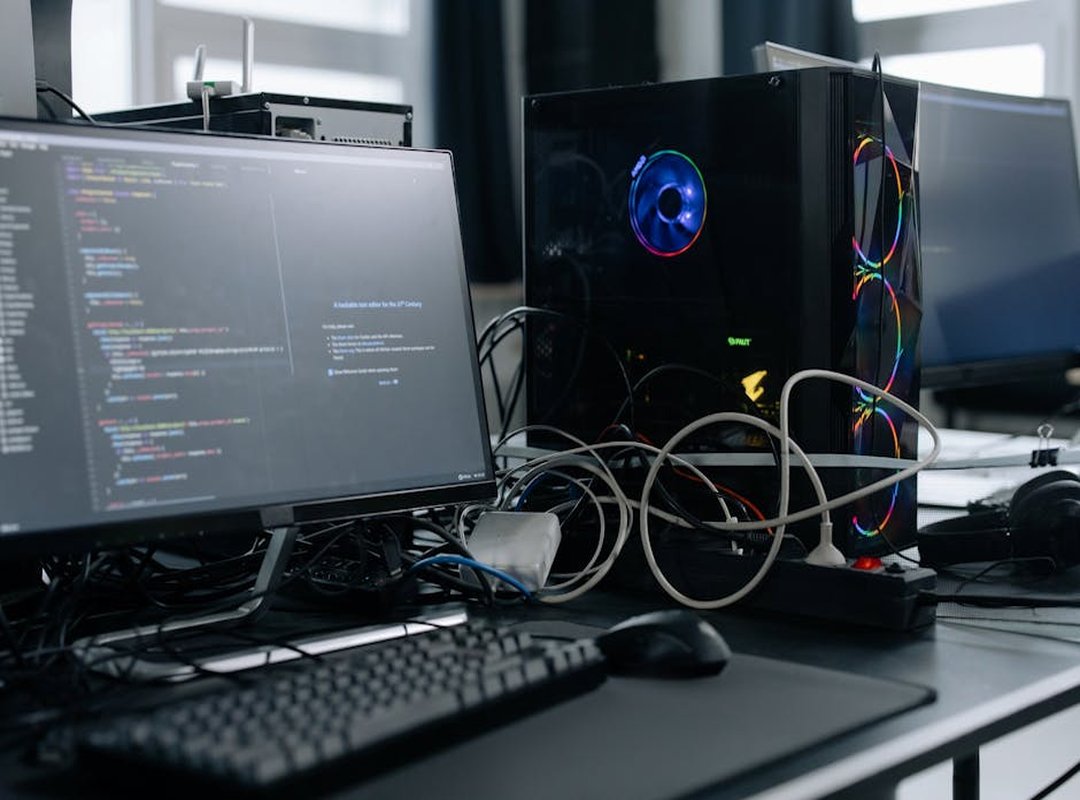
They let you sketch and paint on your computer with the precision of a pen on paper. Ever tried creating a masterpiece with just a mouse? Good luck.
For photographers and videographers, high-quality cameras and lenses are a must. DSLRs and mirrorless cameras capture the raw material that software refines. Without them, you’d have nothing but pixels to manipulate.
And let’s talk about audio. A good microphone, whether USB or XLR, is key for podcasters and musicians. Your voice deserves to be heard clearly, not muddled like you’re whispering through a tin can.
Analog tools have their own charm. A high-quality sketchbook or specialized pens can spark ideas in ways digital can’t. Sometimes, the best creative process blends digital and analog tools, each offering unique inspiration.
For those curious about how tools secure digital life, check out our takeaways.
Creative Tools: Picking the Right Fit
Choosing the right creative tools is a bit like casting the lead in a movie. You need the right match. Do you want to create digital art or maybe dive into video editing?
Knowing your primary creative goals and skill level is key. Beginners need simplicity, while advanced users crave depth.
Budget matters too. Are you Team Free or Team Paid? Free software can be a lifesaver, but sometimes investing in the right tool (hello, one-time hardware purchases) is worth it.
Subscription models can be tricky (like) those gym memberships we forget about. Try free trials or freemium versions before you commit. It’s like dating before marriage.
A strong community is a game-changer. Tools with active forums and tutorials help you grow. Remember, you want tools that grow with you, not ones that become obsolete faster than last year’s smartphone.
Scalability is key.
Think long-term. Don’t get stuck with tools that age like milk instead of wine. Your creative journey deserves the best support.
So, what are you waiting for? Dive in and choose the right designer tools for your creative projects today.
Your Next Steps in Creativity
You now have a clear understanding of the designer tools space. Remember that choosing the right tools doesn’t have to be overwhelming. With practical categories and specific examples, your path forward is laid out.
It’s time to experiment with new tools and embrace your creative process. What unique vision will you bring to life today?
Keep exploring and creating. Your journey in creativity is ongoing and gets richer with the right tools. Don’t wait.
Dive in and start transforming your ideas into reality. You’ve got this!