
The pace of innovation in healthcare is mind-boggling. You’ve probably noticed how hard it is to keep up with the latest healthcare tech innovation. With so many new technologies emerging, understanding their real impact can feel overwhelming.
I get it. It’s confusing.
That’s why this article exists. I’ve immersed myself in the whirlwind of technological advancements and their real-world applications. I want to cut through the noise and clarify what really matters.
You deserve clear takeaways. This guide will break down the most significant healthcare technology advancements and demystify their potential.
We’ll explore how these innovations can shape your healthcare experience.
Trust me, I’ve got a full understanding of the tech space. Together, we’ll get through this frontier and uncover the advancements that truly make a difference. Get ready to see healthcare technology in a whole new light.
The Digital Pulse: Defining Modern Health Innovation
Let’s cut to the chase: healthcare tech innovation is reshaping our world. We’re seeing biology, data science, and engineering collide in ways that would’ve blown our minds a decade ago. Think diagnostics that predict illnesses before they strike, therapeutics personalized to your DNA, and patient management systems that feel more like a personal assistant than a hospital file.
It’s like a sci-fi movie, but real.
We’re moving from a world where doctors react to sickness to one where they prevent it. How? By harnessing the miniaturization of devices, the exponential growth of data, and sheer computational power.
Ever wondered how your smartwatch can warn you about heart troubles before you even feel a twinge? That’s the magic of these advancements.
Now, let’s talk domains. Diagnostics, therapeutics, patient management, preventative care. They’re all evolving.
But here’s the kicker: it’s all interconnected. This web of innovation isn’t just about cool gadgets; it’s about a fundamental shift in health management. We’re talking proactive, not reactive.
Personalized, not one-size-fits-all. The potential is massive, and frankly, it’s about time we embraced it. Does it sound futuristic?
Hell yes. But the future is here.
Precision Health: AI’s Bold New Frontier
AI and machine learning are not just buzzwords in healthcare. They are the driving force behind precision health. I see it every day in pattern recognition and predictive analytics.
These technologies spot diseases faster than any human can, especially in fields like radiology and pathology. They’re not just making guesses (they’re) making accurate, life-saving decisions.
Think about drug discovery. AI isn’t just speeding up the process; it’s rewriting it. By identifying novel compounds and personalizing drug responses based on genetic profiles, it’s turning traditional methods on their heads.
And let’s be honest, who doesn’t want a treatment plan tailored just for them? Personalized treatment plans are not a distant dream. AI uses full genetic and real-time physiological data to tailor therapies to individuals.
Now, imagine an AI-powered virtual assistant handling your initial consultation. It’s not sci-fi. It’s the future.
And it’s happening now. These assistants simplify patient triage, making initial consultations smoother and more fast.
Healthcare tech innovation is reshaping how we approach medicine. Curious about future tech? Check out blockchain beyond cryptocurrency.
It’s all connected in this tech-driven world. AI isn’t just a tool; it’s a revolution in healthcare. We need to embrace it, or risk being left behind.
That’s the reality.
Telemedicine & Remote Monitoring: Healthcare’s New Frontier
I’ve seen firsthand how telemedicine is changing the game. Imagine not having to travel for every doctor visit. Virtual consultations, remote diagnostics, and e-prescribing are at the core of modern care.
It’s a lifesaver, especially for folks in remote areas. But let’s be honest, it’s not without hiccups. Connectivity issues?
They can be a nightmare.
Now, onto Remote Patient Monitoring (RPM). This is where continuous tracking of key signs comes in. It’s a proactive approach to managing chronic diseases.
You know what’s incredible? The Internet of Medical Things (IoMT) devices are making this smooth. They let secure data flow, enhancing patient engagement.
Yet, there’s a learning curve. Patients need to be tech-savvy or they’ll struggle.
Looking ahead, the implications are huge. We’re talking about reduced hospital readmissions. The shift to home-based care is on the horizon.
It’s a glimpse into the future of healthcare tech innovation. Curious about what’s next? Check out emerging healthcare technology: what’s next in ….
Pro tip: If you’re venturing into telemedicine, invest in good internet. Trust me, nothing kills a virtual consult faster than a dropped call.
Wearables & Biosensors: Powering Health in Real-Time
Wearable technology has come a long way. From basic step counters to sophisticated, medical-grade biosensors, we’re now in a world where our devices can offer precise health monitoring. Who would have thought we’d carry mini-clinics on our wrists?
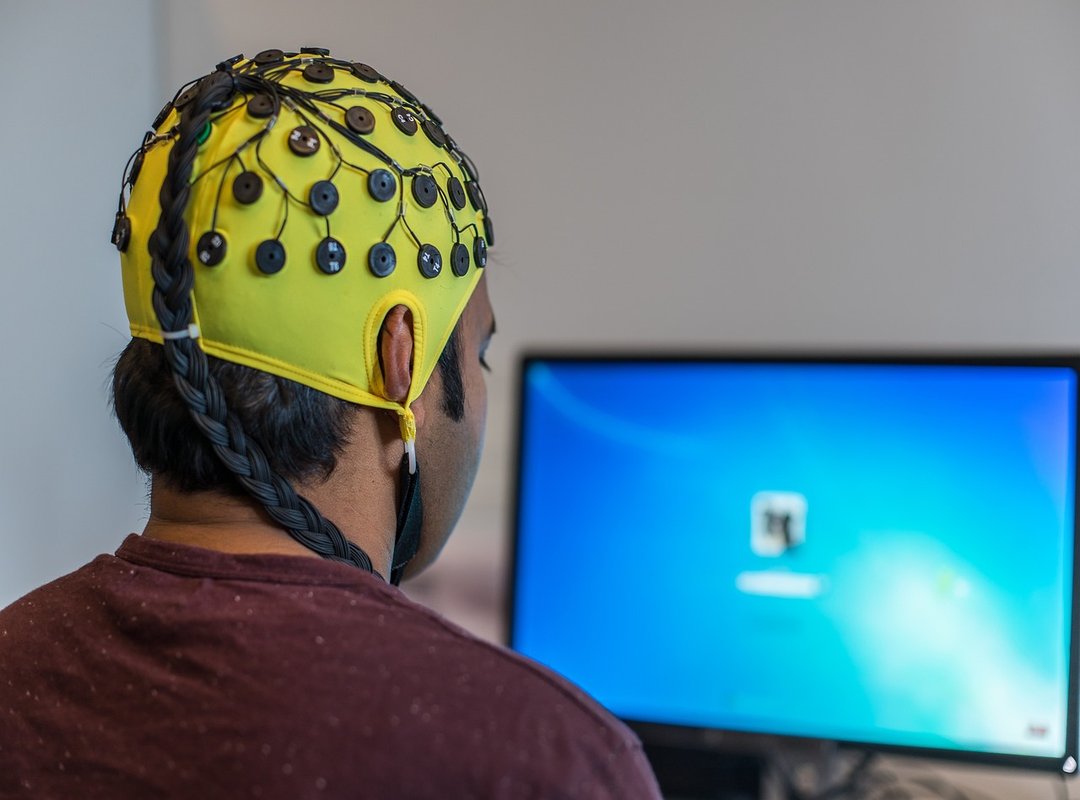
These devices collect diverse data: heart rate variability, sleep patterns, glucose levels, and even continuous ECG readings. It’s like having a health dashboard at your fingertips. But why does this matter?
Early detection of anomalies is key. You catch something off before it becomes a real problem. That’s healthcare tech innovation in action.
But let’s not ignore the challenges. Data privacy is a huge concern. How do we make sure device accuracy?
Integrating wearables with advanced digital health platforms creates a complete picture of your health. It’s not just about counting steps anymore. It’s about understanding and predicting health trajectories.
And will users stick with it consistently? These are questions we need to answer.
Pro tip: Always check the privacy policies of your wearables. Your data should remain yours. Wearables are solid, but they must be handled with care.
The future of proactive health management is here.
Robotic Surgery & Augmented Reality: Precision at the Forefront
Robotic surgery is changing the space of healthcare. It’s not science fiction anymore. We have machines doing detailed work with a surgeon’s precision. It’s fascinating how robotic-assisted surgery enhances dexterity. Minimally invasive procedures mean quicker recovery for patients. Who wouldn’t want that?
Augmented Reality (AR) steps in to take things further. Imagine key patient data and anatomical structures right in the surgeon’s view. It’s almost like having a digital assistant whispering in your ear during key moments.
AR/VR tech isn’t just for gaming anymore. It’s training the next wave of healthcare professionals through immersive simulations.
Looking ahead, autonomous surgical systems raise ethical questions. How comfortable are we with robots taking the wheel? Remote surgery could become the norm, connecting specialists with patients miles apart.
Despite these futuristic trends, the improvements in patient outcomes are undeniable. Reduced human error during complex procedures? Yes, please.
And let’s not forget the potential crossover with next gen renewable energy solutions as tech innovations often do. This is healthcare tech innovation at its best, blending precision with modern science. Every advancement pushes us closer to a healthier future.
Embrace the Future of Health
The future of healthcare is here, and it’s reshaping everything. I’ve shown you how healthcare tech innovation can simplify the chaos. You no longer have to feel lost in the rapid evolution of technology.
By understanding these advancements, you can take control of your health journey. You can use this knowledge to benefit from new tools and resources.
So, what’s next? Stay curious and keep exploring the latest tech trends.
Make it a point to stay informed. This knowledge isn’t just power; it’s your key to navigating the future.
Take action now. Dive into the world of health innovation and discover how it can improve your life. Don’t wait.
Your health matters.